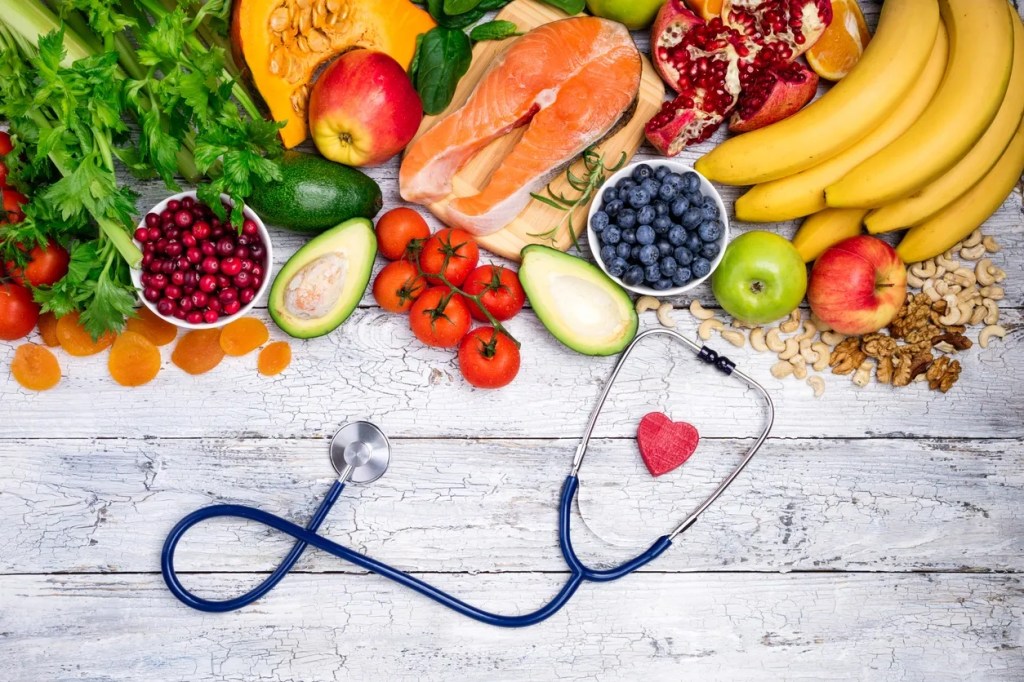
In today’s fast-paced world of diet trends, food labels, and social media advice, our relationship with food can become confusing even stressful. For many, eating has shifted from a source of nourishment and joy to one of guilt, restriction, or anxiety.
At PurelyWell, we believe food should be something that supports your well-being, fuels your life, and brings pleasure not pressure. Whether you’re healing from diet culture or simply trying to eat more mindfully, here are meaningful ways to build a healthier, more balanced relationship with what’s on your plate.
1. Shift Your Mindset: Food is Fuel, Not a Reward or Punishment
It’s time to let go of labels like “good” and “bad” when it comes to food. All foods can have a place in a balanced diet — it’s about nourishment, not perfection.
- See food as energy, not morality.
- Allow yourself to enjoy treats without guilt.
- Recognize that restriction often leads to overcompensation later.
Mindset tip: Instead of asking, “Is this food bad?”, try asking, “How will this make me feel?”
2. Practice Mindful Eating
Mindful eating is all about slowing down and paying attention to your body, your food, and the experience of eating.
Try this:
- Eat without distractions (phones, TV).
- Chew slowly and savor each bite.
- Pause midway through a meal and ask, “Am I still hungry?”
This helps you listen to your body’s cues, not just your cravings or emotions.
3. Ditch the Diet Mentality
Chronic dieting can damage your metabolism, self-esteem, and trust in your own hunger signals. Instead of yo-yo dieting, try:
- Intuitive eating: Trusting your hunger, fullness, and satisfaction cues.
- Gentle nutrition: Choosing foods that feel good both physically and mentally.
- Balanced plates: Include a mix of protein, fiber, fats, and colorful veggies.
Food freedom is about flexibility not strict rules.
4. Focus on How Food Makes You Feel
Rather than obsessing over calories or macros, tune into how foods impact your energy, digestion, and mood.
Ask yourself:
- Does this food give me lasting energy?
- How do I feel after eating this?
- Am I satisfied — physically and emotionally?
Use a simple journal to track how different meals make you feel. It’s not about control — it’s about awareness.
5. Be Kind to Yourself
Building a healthier relationship with food is a journey, not a destination. There will be ups and downs — and that’s okay.
- Avoid self-criticism after indulgent meals.
- Celebrate small victories (like choosing to cook at home).
- Remember: one meal won’t make or break your health — it’s the pattern that matters.
Speak to yourself with the same compassion you’d offer a friend.
6. Honor Both Health and Enjoyment
Food is more than fuel — it’s also culture, tradition, celebration, and connection. You can honor your health while still enjoying:
- Family meals
- Holiday treats
- Spontaneous dinners out
Balance means making space for both green smoothies and chocolate cake.
Final Thoughts: Food is Not the Enemy
Rebuilding a healthy relationship with food takes time, patience, and practice — but it’s one of the most empowering things you can do for your body and mind.
At PurelyWell, we believe food should be a source of nourishment, connection, and joy — not stress. Start with small shifts, listen to your body, and let go of the guilt. You deserve to feel good in your body and confident at your table.
 Purely